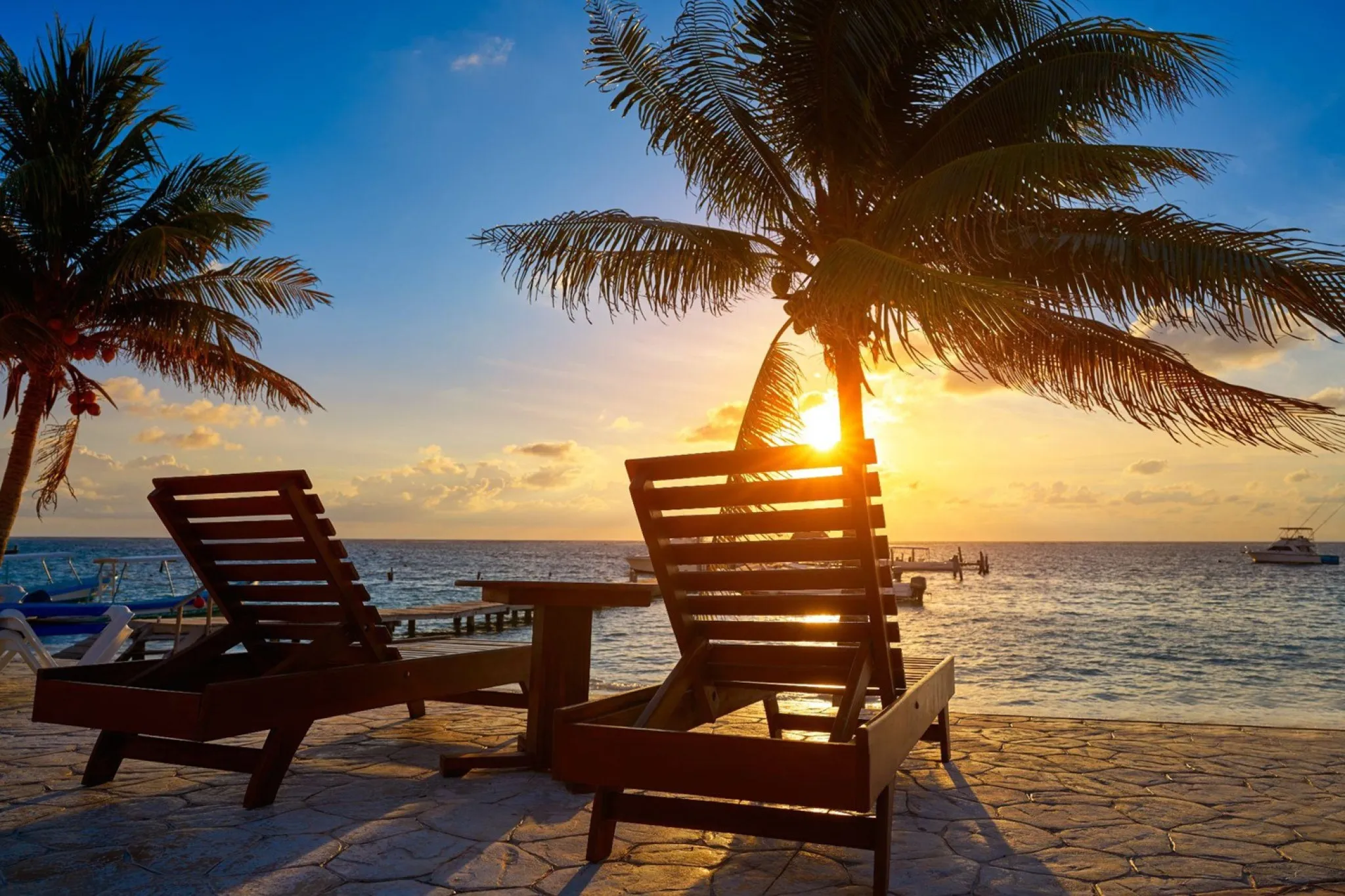
Tired of your photos not capturing the magic of your travels? We’ve all been there: we return from an incredible destination, excited to share our experiences, but when we look at the photos… disappointment! To avoid this, here are some photography tips to take good photos and help you capture the essence of your adventures with memorable images.
What is travel photography?
Travel photography goes beyond simple tourist snapshots. It’s about capturing the essence of a place—its culture, its people, and its emotions. It’s about telling stories through images, making the viewer feel as if they are right there.
To achieve this, it’s essential to go beyond the surface and find beauty in everyday details. Photographing local life, traditions, gastronomy, and architecture are just a few ways to convey the true essence of a destination. Applying some photography tips to take good photos in these moments can make a difference and turn an image into an unforgettable visual story.
How to take good photos?
Knowing how to take good photos requires a keen eye, but above all, lots of practice. It’s not about having the most expensive camera, but about learning to observe carefully. Look for different perspectives, play with light, and find beauty in the details—originality lies in the photographer’s vision.
A great exercise to develop your unique perspective is to study the work of travel photographers you admire. Observe how they compose their images, what elements they highlight, and how they play with light. This will inspire you to find your own style and apply photography tips to take good photos that make your shots stand out.
Tips for taking photos on your trips
Here are some essential photography tips to take good photos and elevate your travel images. These aren’t strict rules, but rather guidelines to help you experiment and refine your technique:
Use the rule of thirds for balanced composition. Imagine dividing your image into nine equal parts with two horizontal and two vertical lines. Placing key elements at the intersections of these lines creates a more dynamic and visually appealing composition. For landscapes, position the horizon along the upper or lower line instead of the center. This simple trick makes photos feel more professional and well-balanced.
Take advantage of natural light. The golden hour—just after sunrise or before sunset—provides soft, warm lighting ideal for portraits and landscapes. Harsh midday sun can create strong shadows and overexposed areas, so try to shoot in the early morning or late afternoon when the light is more flattering. Experiment with different lighting angles:
Front lighting evenly illuminates the subject.
Side lighting enhances textures and creates interesting shadows.
Backlighting produces dramatic silhouettes and halo effects.
Explore different perspectives. Avoid taking all your photos from eye level—crouch down, climb to a higher spot, or use reflections to add depth and creativity. Shooting a monument from a lower angle can emphasize its grandeur, while positioning yourself at a person’s eye level creates a stronger connection in portraits.
Focus on details to tell a story. Sometimes, the small details are more powerful than a wide cityscape. Capture elements like a cobblestone street, an artisan’s hands at work, or the vibrant colors of a local dish. These details add emotion and bring viewers closer to the essence of a place. If you’re staying at hotels in the Dominican Republic, for example, you might capture the lively energy of a street vendor preparing tropical fruit, the texture of the golden sand beneath your feet, or the way the ocean waves create mesmerizing patterns at sunrise.
Be patient and observant. Great photos often require waiting for the perfect moment. Observe your surroundings and anticipate key moments, like a child’s laughter, golden light hitting a building, or a market vendor’s expression. Keep your camera ready and stay alert for spontaneous opportunities.
Use leading lines to draw the viewer’s eye. Roads, bridges, fences, or even rows of trees can guide the viewer’s eye into the scene and create a sense of depth. Next time you take a picture, look for natural or man-made elements that can lead the composition toward the main subject.
Capture movement for dynamic images. Travel photography doesn’t have to be static. Use slower shutter speeds to capture the motion of waves, people walking, or birds flying. This technique adds a sense of life and energy to your images.
Edit your photos thoughtfully. While post-processing can enhance your images, avoid over-editing. Adjust brightness, contrast, and colors to bring out the best in your shots while keeping them natural and true to the scene. There are many easy-to-use mobile apps like Lightroom or Snapseed that allow you to make quick yet professional adjustments.
The most important thing in travel photography is to enjoy the process. Try these tips to take good photos, develop your own style, and don’t be afraid to break the rules when necessary. If you’re looking for inspiration to capture unique images, destinations like our hotels in Riviera Maya offer breathtaking landscapes, from Mayan ruins and lush jungles to paradise-like beaches with crystal-clear waters. Meanwhile, our hotels in Dominican Republic offer another stunning backdrop for photography lovers, with its vibrant streets, colonial architecture, and breathtaking Caribbean coastline.
So, are you ready to capture your next trip with unforgettable photos? Apply these photography tips to take good photos, grab your camera, and let the world become your canvas. Whether you’re in a bustling city, a tropical paradise, or a historic town, every place has a story waiting to be told—so go out there and capture it!